

How to Cross-Reference an Oil Seal Part Number
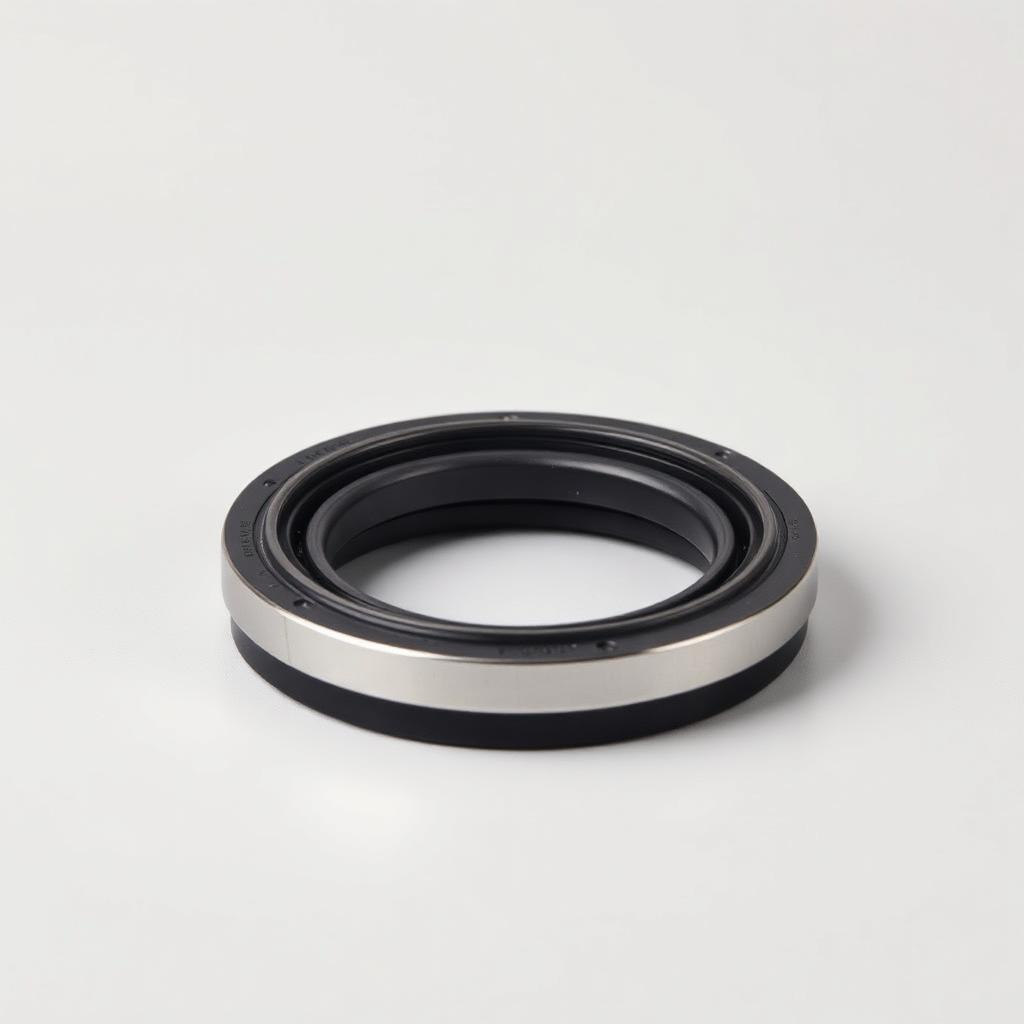
A leaking seal is a small part with a big consequence: lost lubricant, contamination getting into the bearing, and eventually a failed bearing. The hard part is often not replacing the seal — it's figuring out what the old one was. Different manufacturers number the same size seal in completely different ways.
Start With the Number on the Seal
Most oil seals carry a part number molded or printed on the face. Common formats include a manufacturer catalog number (for example, a CR-style number) or a size-based code that lists shaft diameter, bore diameter and width. Write the whole thing down, including any letters before or after the numbers — those letters often describe lip style, spring or material.
If the Number Is Worn Off, Measure
Every seal comes down to three measurements:
- Shaft diameter (the inside of the seal, where the lip rides)
- Bore diameter (the outside of the seal, where it presses into the housing)
- Width (thickness)
Measure the shaft and the housing bore if you can, not just the old seal — a worn seal can read slightly off. Use calipers and note whether you're working in inches or millimeters.
Then Match the Details
Size alone gets you close, but these details decide whether the seal lasts:
- Lip style: single lip, or double lip with a dust lip for dirty environments
- Spring: most rotating shaft seals use a garter spring behind the lip
- Material: nitrile is common for general service; higher temperatures or harsh fluids may call for a different compound
- Case: metal case or rubber-covered outside diameter
Use the Cross-Reference Tools
Our seal cross-reference page lets you search by a seal number and see matching sizes, and our seal size chart helps when you only have measurements. If you're not sure of a match, send us the old number, your measurements, or a photo through the quote form and we'll help identify an equivalent.